
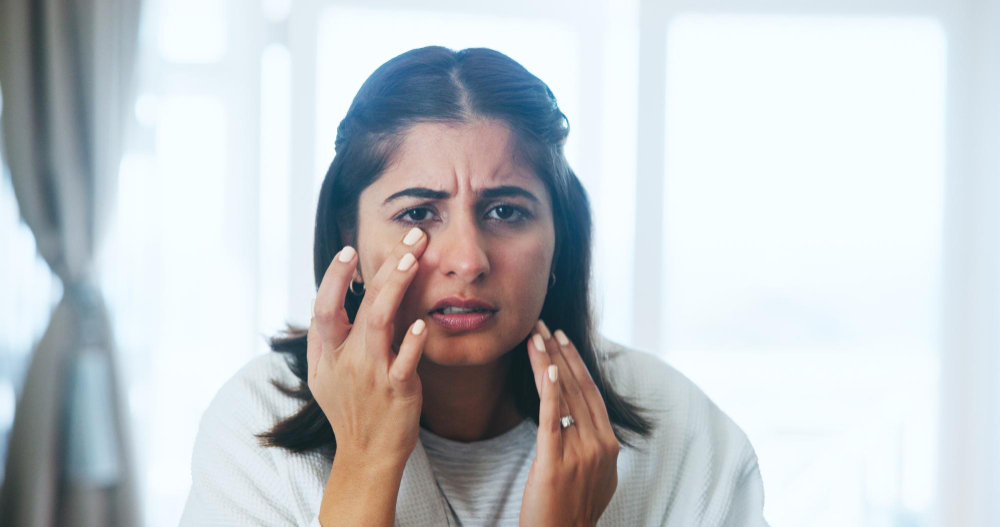
What Is Sensitive Reactive Skin?
Sensitive, reactive skin is skin that gets irritated easily. Many people notice redness, itching, or burning after using certain products or being in harsh weather. In fact, Ayurveda for sensitive skin offers natural ways to help. Sensitive skin reacts quickly to things that most people find harmless. Because of this, daily life can sometimes feel uncomfortable.
Common Symptoms of Sensitive Reactive Skin
People with sensitive, reactive skin may notice several signs. For example, you might feel:
Sometimes, even gentle products can cause these symptoms. However, symptoms can change from day to day.
Everyday Triggers That Cause Discomfort
Many things can make sensitive skin feel worse. For instance, you may notice discomfort from:
Because these triggers are common, it helps to know what affects your skin most. Over time, you can learn to avoid or reduce these triggers.
Ayurvedic Understanding of Sensitive Skin
Ayurveda, an ancient Indian system of medicine, explains sensitive skin as a result of dosha imbalances. Doshas are natural energies in the body called Vata, Pitta, and Kapha. When these are out of balance, skin problems can occur. For example, too much Pitta can cause redness and burning. On the other hand, excess Vata may lead to dryness and flaking. Ayurveda for sensitive skin focuses on restoring balance using natural remedies for reactive skin.
Diagnosis and How to Identify Sensitive Reactive Skin
It is important to know if you have sensitive, reactive skin. You may notice your skin reacts quickly to new products or weather. Sometimes, even water can cause discomfort. If you often feel burning, itching, or redness, your skin may be sensitive. However, a healthcare professional or Ayurvedic practitioner can help confirm this. They may ask about your symptoms, daily habits, and family history.
Ayurvedic Treatment Options
Ayurveda offers gentle ways to care for sensitive skin. These natural remedies for reactive skin may include:
Because each person is different, Ayurveda for sensitive skin is often tailored to your dosha type. Always use products that are free from harsh chemicals or strong scents.
Prevention Tips and Daily Care Routines
With the right habits, you can help prevent discomfort. For example, try these tips:
Additionally, avoid hot showers and harsh scrubbing. Over time, these steps can help your skin feel calmer and less reactive.
When to Consult a Healthcare Professional
If your skin discomfort is severe or does not improve, it is important to seek help. Sometimes, skin problems can be a sign of other health issues. Therefore, consult a qualified Ayurvedic practitioner or dermatologist for advice. They can guide you with safe, effective treatments for your sensitive, reactive skin.
For the best results, consult a qualified Ayurvedic practitioner for personalized advice on managing sensitive, reactive skin.