Introduction
Panchakarma is a core part of Ayurveda, the ancient Indian system of medicine. It is a set of therapies designed to cleanse the body and mind. Many people seek Panchakarma benefits to improve their health. This Ayurveda therapy is known for its deep detox effects. In fact, it is often called an Ayurvedic detox. Panchakarma aims to restore balance and support holistic health. Because of its gentle approach, it is popular worldwide.
What is Panchakarma?
Panchakarma means “five actions” in Sanskrit. These five actions are special treatments that help remove toxins from the body. Ayurveda believes that toxins build up over time due to poor diet, stress, or pollution. Panchakarma uses natural methods to clear these toxins. As a result, it helps the body heal and regain balance. This therapy is often done in a peaceful setting, guided by trained Ayurvedic practitioners.
How Does Panchakarma Work?
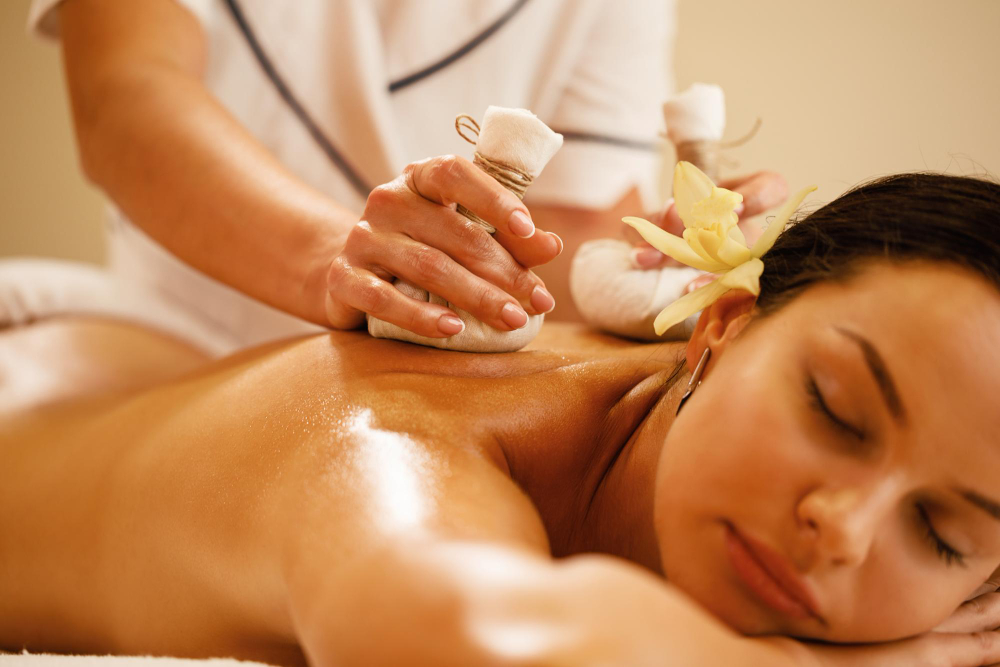
Panchakarma works in three main steps. First, the body is prepared for cleansing. This step may include oil massages and herbal steam. Next, the main detox treatments begin. These can include gentle therapies like herbal enemas, nasal cleansing, or mild purging. Finally, the body is rebuilt with nourishing foods and rest. Each step is tailored to your needs. Therefore, the process is safe and gentle for most people.
Key Benefits of Panchakarma Treatment
Panchakarma offers many health benefits. Here are some of the main Panchakarma benefits:
Because Panchakarma therapy for detox is gentle, many people feel lighter and refreshed after treatment.
Who Can Benefit from Panchakarma?
Panchakarma is suitable for many people. For example, those who feel tired, stressed, or out of balance may benefit. People with digestive problems, skin issues, or joint pain often find relief. Even if you are healthy, Panchakarma can help maintain wellness. However, it is important to consult a qualified Ayurvedic practitioner. They will decide if this therapy is right for your needs.
Safety, Precautions, and Contraindications
Panchakarma is usually safe when done by trained experts. Still, some people should avoid it. For instance, pregnant women, very young children, or those with certain health conditions may not be good candidates. Always share your full health history with your practitioner. They will adjust the therapy to keep you safe. If you feel unwell during treatment, let your provider know right away.
Scientific Evidence and Research
Several studies have explored Panchakarma treatment advantages. For example, research published in peer-reviewed journals shows that Panchakarma can lower stress and improve well-being. The World Health Organization (WHO) recognizes Ayurveda as a traditional health system. Some studies suggest Panchakarma may help remove certain toxins from the body. However, more research is needed to confirm all benefits. Always look for clinics that follow safe and evidence-based practices.
How to Get Started with Panchakarma
If you are interested in Panchakarma, start by finding a qualified Ayurvedic practitioner. They will assess your health and suggest a plan. Choose a clinic with good reviews and trained staff. Before treatment, ask about the process, costs, and aftercare. Follow all advice for the best results. After Panchakarma, eat light foods and rest as recommended. This helps your body recover and enjoy the full benefits.
Conclusion
Panchakarma is a gentle and effective Ayurveda therapy for detox and balance. It offers many benefits, from better digestion to improved energy and mental clarity. Because it is tailored to each person, it can support holistic health for many people. To learn if Panchakarma is right for you, consult a qualified Ayurvedic practitioner.