
What Is Frozen Shoulder?
Frozen shoulder, also called adhesive capsulitis, is a condition where the shoulder becomes stiff and painful. Many people find it hard to move their arm. Often, the pain gets worse over time. Ayurveda for frozen shoulder offers gentle, natural ways to manage this problem. While modern medicine uses painkillers or surgery, Ayurveda focuses on balance and natural healing. In India, Ayurveda clinics in cities like Delhi and Mumbai often treat frozen shoulder with traditional methods.
Common Symptoms of Frozen Shoulder
Frozen shoulder usually starts slowly. As time passes, symptoms may get worse. However, early care can help. Common signs include:
Sometimes, the pain spreads down the arm. For many, the symptoms last for months or even years.
Causes and Risk Factors
Frozen shoulder can happen for many reasons. For example, it may follow an injury or surgery. Some people develop it after a period of not moving the arm. Additionally, certain health problems increase the risk. These include:
Because the exact cause is not always clear, prevention and early care are important.
How Ayurveda Explains Frozen Shoulder
In Ayurveda, frozen shoulder is linked to an imbalance of the Vata dosha. Vata controls movement and flexibility in the body. When Vata becomes disturbed, dryness and stiffness may develop in the joints. As a result, pain and limited movement can occur. Ayurveda for frozen shoulder aims to restore balance and ease discomfort. Ancient Ayurvedic texts describe this condition as “Apabahuka.”
Ayurvedic Diagnosis Methods
Ayurvedic doctors use several ways to diagnose frozen shoulder. First, they ask about your symptoms and daily habits. Next, they may check your pulse, tongue, and skin. In addition, they look for signs of Vata imbalance. Sometimes, they also ask about your digestion and sleep. These steps help create a treatment plan just for you.
Ayurvedic Treatments for Frozen Shoulder
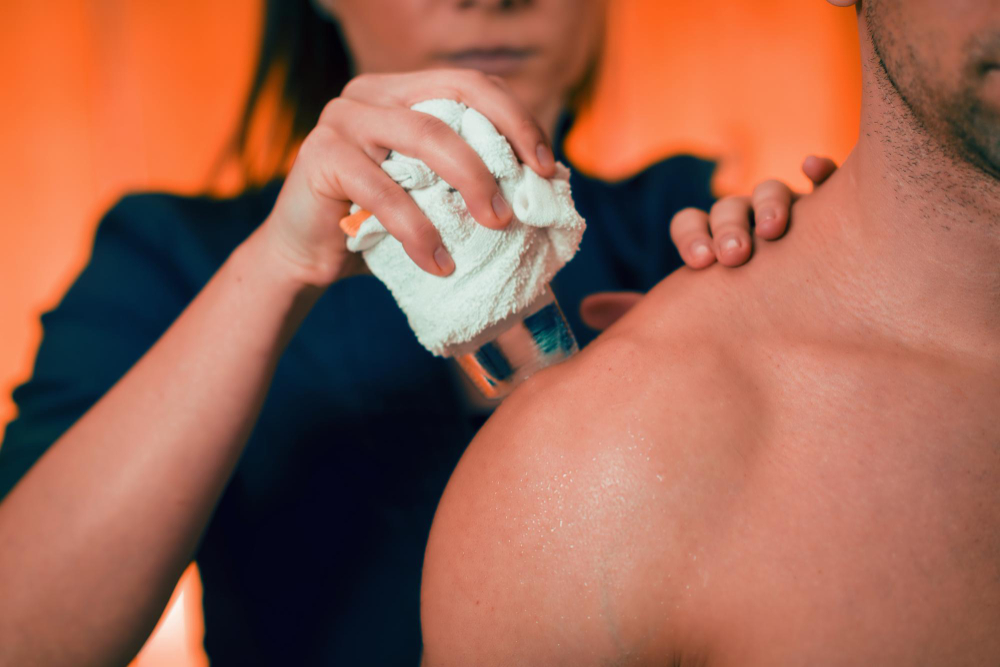
Ayurvedic treatment for frozen shoulder uses natural methods to reduce pain and stiffness. Treatments may include:
Because each person is different, Ayurvedic doctors adjust treatments to fit your needs. Many Ayurveda clinics in India offer these therapies under expert care.
Herbal Remedies and Natural Therapies
Many Ayurvedic herbs for shoulder pain are used to ease symptoms. For example, some well-known herbs and remedies include:
Additionally, natural therapies like gentle yoga and breathing exercises may help. Always talk to a trained Ayurvedic doctor before starting new herbs or remedies.
Diet and Lifestyle Tips in Ayurveda
Ayurveda for frozen shoulder also focuses on diet and lifestyle. Eating the right foods can support healing. For instance, Ayurveda suggests:
Moreover, regular sleep and gentle exercise are important. Try to avoid stress, as it can worsen symptoms.
Prevention Strategies with Ayurveda
Preventing frozen shoulder is possible with simple Ayurvedic habits. For example, you can:
Because early care works best, see a doctor if you notice pain or stiffness. Ayurveda for frozen shoulder offers many natural remedies and tips to help you stay active and comfortable.