What is Acne Vulgaris?
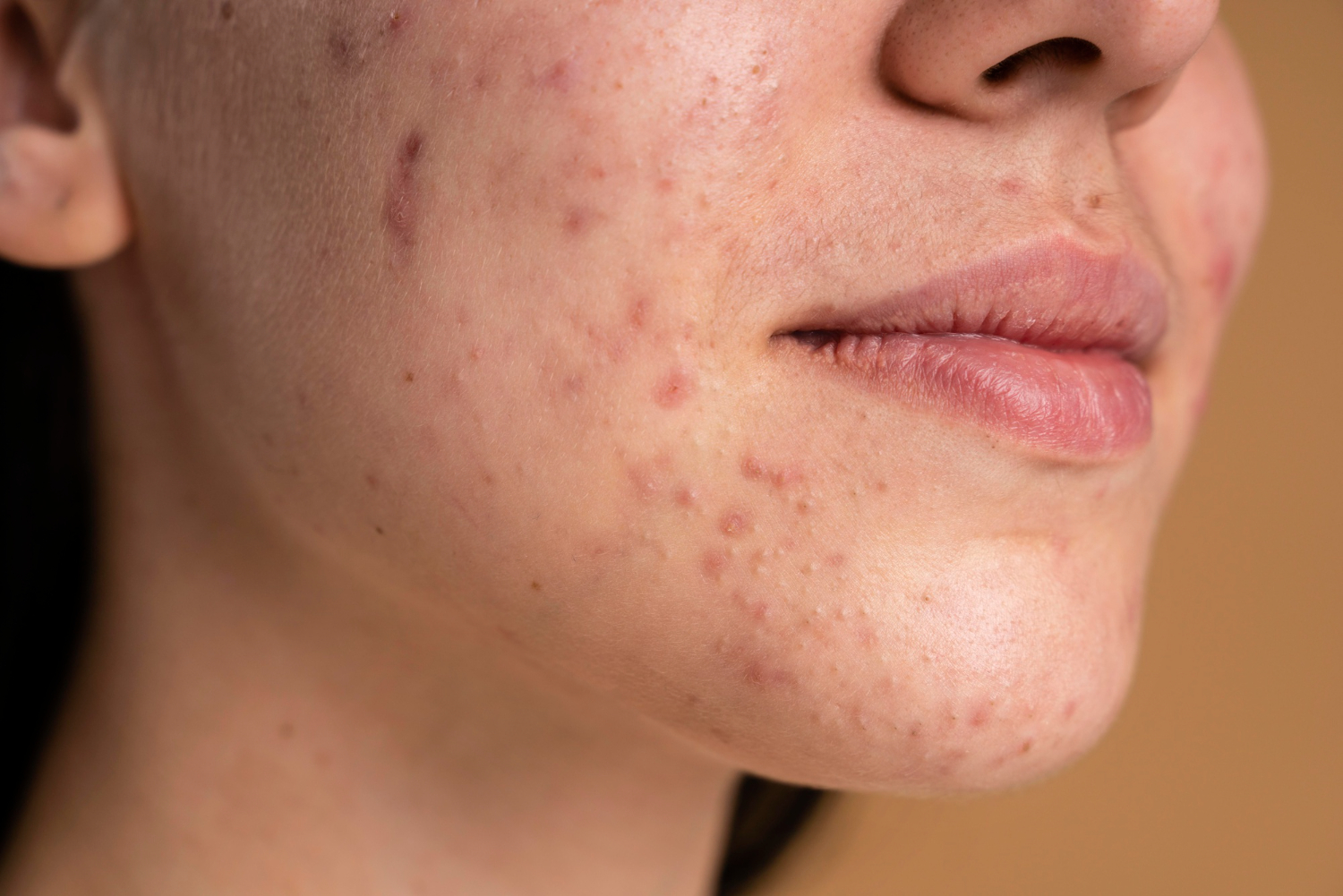
Acne vulgaris, often called pimples, is a common skin problem. Many teenagers and adults face this issue. It appears when hair follicles get blocked by oil and dead skin. As a result, red bumps, blackheads, or whiteheads can form on the face, back, or chest. Acne vulgaris symptoms can affect self-confidence and daily life. In Ayurveda, this condition is known as ‘Yuvan Pidika.’ Understanding the signs of acne in Ayurveda can help you manage it better.
Major Symptoms of Acne Vulgaris
Acne vulgaris shows up in several ways. Below are the main symptoms you may notice:
Additionally, you may notice oily skin, swelling, or tenderness around the pimples. Sometimes, acne leaves dark spots or scars after healing. If you see these acne vulgaris symptoms, it is important to take care of your skin.
Ayurvedic Perspective on Acne Symptoms
Ayurveda offers a unique view on acne vulgaris. According to Ayurveda, pimples are called ‘Yuvan Pidika.’ This condition is linked to an imbalance of the three doshas: Vata, Pitta, and Kapha. However, Pitta dosha, which controls heat and metabolism, plays the biggest role.
From an Ayurvedic view on pimples, the major symptoms are:
Moreover, Ayurveda believes that poor diet, stress, and lack of sleep can make acne worse. Eating spicy, oily, or junk foods may increase Pitta and trigger more pimples. Ayurvedic remedies for pimples often focus on balancing the doshas, using herbs, and following a healthy lifestyle.
When to Seek Medical or Ayurvedic Help
Sometimes, home care is not enough for acne vulgaris. You should see a doctor or Ayurvedic practitioner if:
In addition, if you want natural care, look for Ayurvedic acne care in your city. A qualified expert can suggest safe treatments based on your skin type and dosha balance. According to the World Health Organization (WHO) and dermatology experts, early care can prevent scars and boost self-esteem.
Conclusion
Acne vulgaris, or pimples, shows up in many ways. Ayurveda explains these symptoms through dosha imbalances. If you notice major acne symptoms, do not ignore them. Consult a qualified Ayurvedic practitioner or dermatologist for personalized advice on acne symptoms.